Taylor Swift’s Re-recorded Albums: Why She’s Taking Back Her Masters

So, you’ve probably heard the buzz: Taylor Swift is on a mission to re-record her old albums. And honestly? It’s one of the coolest, most rebellious moves in music history. Bu...

So, you’ve probably heard the buzz: Taylor Swift is on a mission to re-record her old albums. And honestly? It’s one of the coolest, most rebellious moves in music history. But why is she doing it, and why should we care? Let’s break it down like a friendly chat over coffee.
It All Started With a Really Bad Deal
Picture this: you spend years writing songs from your diary, pouring your heart out, and then someone else owns the rights to them. That’s exactly what happened to Taylor. When she signed her first contract at 15, she gave up the "masters"—the original recordings of her first six albums—to a record label. Later, her masters were sold to a man she publicly dislikes, Scooter Braun, without her getting a chance to buy them. Ouch.
So, Taylor did what Taylor does best: she got creative. Instead of crying over spilled milk (or stolen songs), she decided to make new milk. She’s re-recording each of those old albums, note for note, with her current voice and a little extra sparkle. Think of it like remaking a classic movie, but way more personal.
Must Read
Why This Feels Like a Supervillain Origin Story
You know in superhero movies when the hero realizes they have to build their own armor because the old one was stolen? That’s Taylor. She’s not just re-recording for nostalgia; she’s legally undermining the value of the old versions. When you stream or buy her new versions (called "Taylor’s Versions"), you’re directly telling the old owners: "We don’t need you." It’s a quiet, brilliant middle finger to corporate power.
Rhetorical question time! Have you ever wanted to reclaim something that felt yours but wasn’t? Like a favorite hoodie your ex never gave back? This is that feeling, multiplied by millions of dollars and a global fanbase.
The "Time Machine" Twist: A Little Extra Sparkle
Here’s the fun part: Taylor doesn’t just copy the old songs; she throws in surprises. On her re-recorded albums, you’ll hear "From the Vault" tracks—songs she wrote back then but never released. It’s like finding a hidden drawer in your childhood bedroom full of old letters. "Fearless (Taylor’s Version)" included six unheard songs, and fans lost their minds.
Also, her voice has changed (in a good way). She’s older, wiser, and her vocals have more depth. Listening to "Red (Taylor’s Version)" feels like watching a home video with a better camera. The emotion is still raw, but now there’s a knowing confidence behind it. You can almost hear her smirk, "I’m back, I’m better, and you can’t stop me."
So, What’s the Big Deal for Us?
For a general audience, this isn’t just celebrity gossip—it’s a masterclass in ownership. In a world where we rent movies, stream music we don’t own, and hand over our data for free, Taylor is shouting: Your art, your work, your voice belongs to you. She’s showing young artists that contracts aren’t forever, and that you can rewrite your own history.
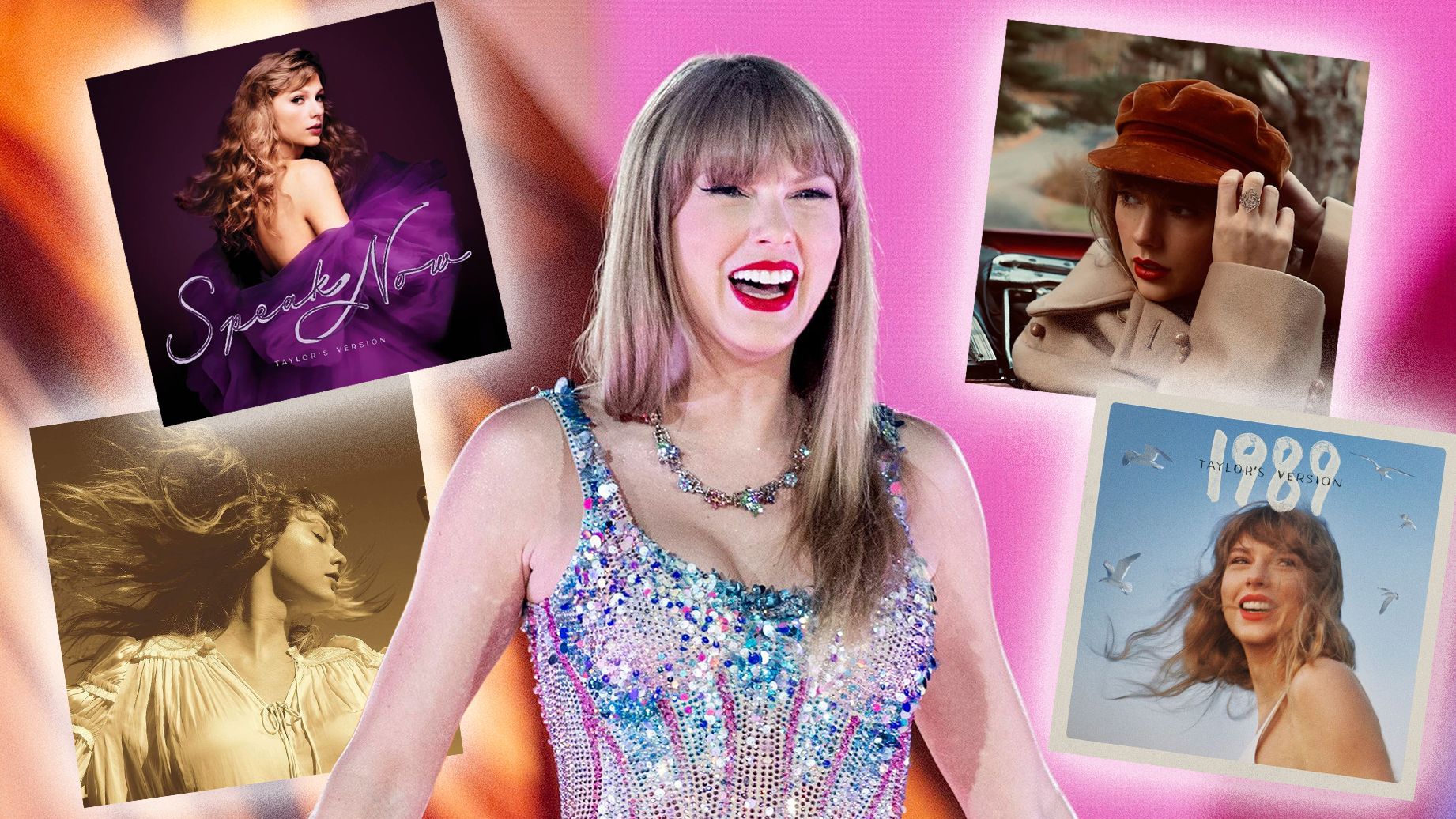 Taylor Swift's re-recorded albums: All of the clues on which is next
Plus, let’s be real: it’s incredibly satisfying to watch a pop star outsmart a system built to keep creators down. It’s like watching a chess match where she’s playing 4D chess while everyone else is playing checkers. And we get to dance along to "Love Story" with an even clearer conscience.
Is It Working? (Spoiler: Yes.)
Financially? A huge yes. "Fearless (Taylor’s Version)" and "Red (Taylor’s Version)" broke streaming records. And slowly, her old label’s versions are becoming less popular. Fans have unofficially boycotted the originals, calling listening to them "traitor behavior" (okay, maybe not that dramatic, but close). So if you hear a Swift song on the radio, it’s almost always the new version now.
But the coolest part? The message. Taylor turned a personal feud into a public lesson about artistic control. Every time you press play on a "Taylor’s Version" track, you’re not just listening—you’re joining a movement. You’re saying, "I stand with creators, not corporations." Not bad for a pop song, huh?
So, Should You Care?
If you’ve ever felt like something was taken from you unfairly, yes. If you love a good redemption story, absolutely. If you just want to hear "All Too Well" with a live orchestra and a 10-minute version that will break your heart again, then definitely.
Taylor Swift’s re-recorded albums aren’t just albums—they’re a declaration of independence. They’re proof that you can reclaim your past while building a better future. And honestly? That’s the kind of energy we could all use a little more of. So grab your headphones, cue up "Speak Now (Taylor’s Version)," and let the good vibes roll. You’re listening to history being rewritten.
